


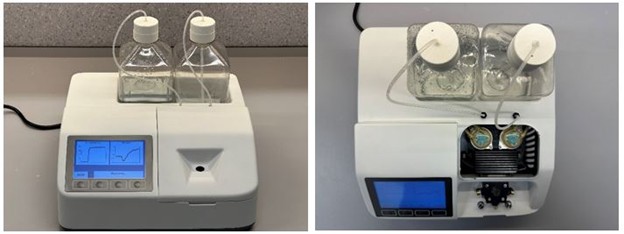
Dual electrode clinical biosensor device is a universal, two-electrode analytical tool designed for rapid and precise biochemical measurements in blood, urine, and seru. This compact and efficient system enables real-time monitoring of key biomarkers such as glucose, urea, L-amino acids, glutamate, creatinine, and inflammation markers like α-amylase activity. Designed for clinical and research applications, the device offers a seamless user experience with minimal sample preparation and fast results, ensuring reliability in both medical and biotechnological settings. The device is built upon extensive expertise in electrochemical biosensing, benefiting from decades of research and technological advancements. Our biosensor platform is designed to integrate two complementary sensors within a single device, enhancing diagnostic accuracy for specific medical applications. This approach allows tailored biomarker detection, such as urea and L-amino acids for haemodialyzed intensive care unit’s patients, inflammation markers and glucose for diabetics, or glutamate and urea for neurological disease assessment.
TEchnology
The device leverages cutting-edge electrochemical biosensing technology, utilizing specialized enzyme-electrode systems that provide high sensitivity and specificity for target analytes. Unlike conventional biochemical analysers, which require complex reagents and laboratory infrastructure, our system simplifies diagnostic workflows and enables decentralized testing. The core technology features:
- Multi-Biomarker Detection. A modular biosensor design allows customization by swapping electrode membranes, making it adaptable for different diagnostic applications.
- High Stability and Precision. The enzyme-electrode system ensures stable and reproducible measurements, with calibration functionality to maintain accuracy.
- Cost-Effectiveness: Reusable biosensors with long-lasting membranes drastically reduce per-test costs, making diagnostics more affordable.
- Rapid Analysis: Measurement cycles take only a few minutes, significantly improving efficiency compared to traditional methods requiring lengthy sample preparation and expensive laboratory instruments.
Our biosensor platform is already being validated in clinical settings for applications such as haemodialysis monitoring, metabolic disorder assessments, and quality control in biomanufacturing. Future development will expand its diagnostic capabilities such as esterase activity measurement for diabetics, further reinforcing its role as a game-changer in biosensing technology.
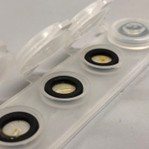
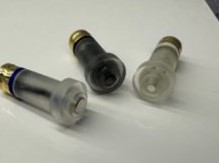
Key parameters of biosensors
| Analyte | Limit of detection | Upper limit | Sample types tested |
| Glucose | 0.1 mM | 30 mM | Blood, serum, urine |
| Urea | 0.2 mM | 100 mM | Blood, serum, urine, dialysate |
| L-glutamate | 0.04 mM | 0.88 mM | Blood, serum, brain extracts |
| L-amino acids (total) | 0.049 mM | 12 mM | Blood, serum, dialysate |
| α-amylase activity | 5 mU/ml | 1000 mU/ml | Blood, urine |